
These tight-knit, self-contained communities are concentrated most heavily, in descending order, Massachusetts, Rhode Island, and then Connecticut. Cape Verdeans worked in Cape Cod’s cranberry bogs, as well as on the waterfronts and textile mills. The door on Cape Verdean immigration closed by the Johnson Immigration Laws of 1922 and 1924, reopened in 1968, beginning the second major wave of Cape Verdean immigration in the 20th century. Today’s population of Cape Verdeans in New England, now more than 300,000 strong, is greater than the population of Cape Verde.
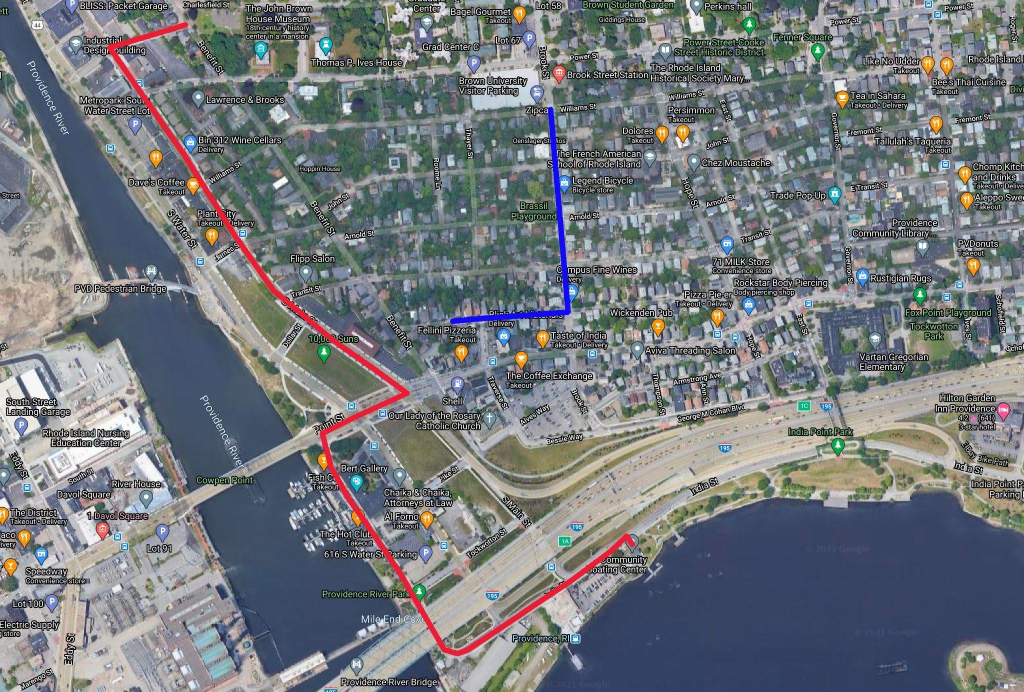
The Cape Verdean community of Fox Point, the first settlement of Cape Verdeans in Rhode Island, was situated near the waterfront and the Port of Providence, stretching along South Main Street and Wickenden Street.
Urban renewal and gentrification in the 1970s forcibly displaced three generations of our Cape Verdean community in Fox Point. Our history was erased before it was written. For me, the displacement meant searching for my roots in Cape Verde, crossing the Atlantic to explore the ties to the islands, and retracing the path and journey begun by my grandparents when they arrived in America in the early 1900s, then returning back to Fox Point and beginning another journey.